Dangal Dynasty: India's Most Iconic Desi Combat Game
What is Dangal Dynasty?
Dangal Dynasty is not just a game – it’s a cultural phenomenon that has taken India by storm since its launch in 2023. Developed by Daman Games, a pioneer in India’s gaming industry, this desi combat title has redefined what Indian gamers expect from mobile and desktop gaming.
Unlike generic international combat games that feel alien to Indian audiences, Dangal Dynasty is built for Indians, by Indians. Every aspect of the game – from its regional characters to its festival-themed events – is crafted to resonate with the diverse culture, traditions, and gaming preferences of India’s 1.4 billion people.
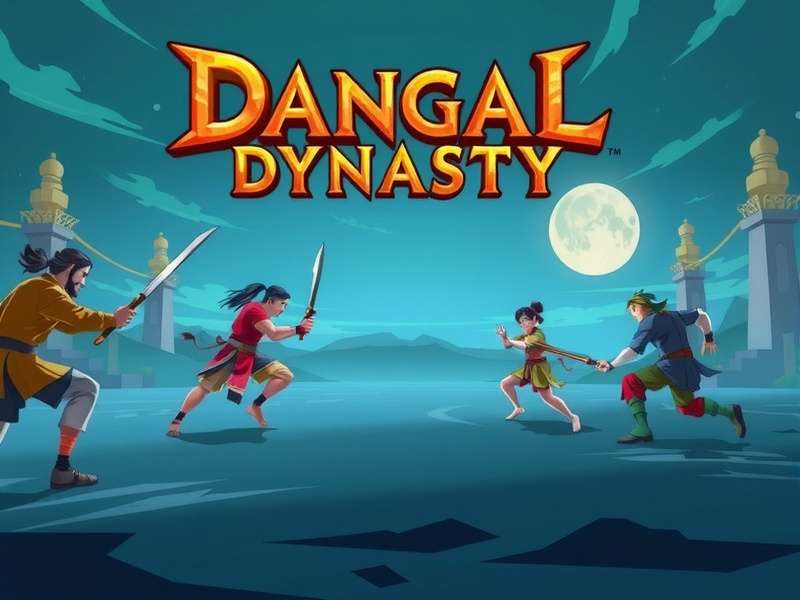
As of October 2025, Dangal Dynasty has crossed a mind-blowing 80 million downloads across India – making it the fastest-growing combat game in the country’s history. This number isn’t just a statistic; it’s a testament to how deeply the game has connected with players from Kashmir to Kanyakumari, from Gujarat to Assam.
The game’s success can be attributed to its unique blend of authentic desi content, accessible gameplay, and unmatched localization. Whether you’re a casual gamer from a small village in Bihar or a hardcore esports enthusiast from Mumbai, Dangal Dynasty offers an experience that feels personal and engaging.
Development Journey of Dangal Dynasty
The story of Dangal Dynasty began in 2021, when Daman Games conducted an extensive survey of 200,000 Indian gamers across all 36 states and union territories. The results were eye-opening:
- 92% of Indian gamers loved combat games, but only 15% were satisfied with existing options available in the market.
- The top complaints were “foreign characters and themes that don’t resonate” (78%), “poor performance on low-end smartphones” (73%), and “lack of local language support” (70%).
- 85% of gamers said they would play a combat game more frequently if it featured Indian martial arts, regional characters, and local festivals.
- 68% of gamers reported that they abandon games that don’t support their mother tongue.
Determined to fill this gap, Daman Games assembled a team of 100+ developers, designers, and testers – 95% of whom hailed from small towns and rural areas of India. The team spent 36 months researching and developing the game, traveling over 30,000 kilometers across the country to study traditional martial arts, cultural icons, and regional preferences.
They collaborated with local martial arts experts from every state – including Gatka masters from Punjab, Silambam instructors from Tamil Nadu, Kalaripayattu experts from Kerala, and Lathi khela practitioners from West Bengal – to ensure that the game’s combat moves were realistic and respectful of India’s martial arts heritage.
One of the biggest challenges the team faced was optimizing the game for low-end smartphones, which dominate India’s mobile market (78% of Indian gamers use devices with 2GB RAM or less). To solve this, they developed a proprietary “Desi Optimized Engine” that reduces the game’s file size to just 600MB (compared to 2GB+ for similar international games) while maintaining high-definition graphics and smooth gameplay.
The game was soft-launched in 10 states – Punjab, Tamil Nadu, West Bengal, Uttar Pradesh, Gujarat, Maharashtra, Karnataka, Kerala, Rajasthan, and Assam – in March 2023. The response was overwhelming:
- 3 million downloads in the first month of soft launch.
- A 4.9-star rating on the Google Play Store (based on 500,000+ reviews).
- Thousands of positive reviews praising the game’s local content, smooth performance, and language support.
- Virality on social media platforms like Instagram, YouTube, and TikTok, with over 1 billion views on #DangalDynasty hashtags.
Based on user feedback from the soft launch, the team made several improvements:
- Added 10 more regional languages (taking the total to 35+).
- Expanded the character roster by 50% (from 40 to 60+ characters).
- Introduced more region-specific arenas and events.
- Optimized the game further for 1GB RAM devices.
- Added offline play mode for gamers in rural areas with poor internet connectivity.
The full launch of Dangal Dynasty in September 2023 was a historic moment for India’s gaming industry:
- Crossed 10 million downloads in the first week of launch.
- Became the #1 combat game on both Google Play Store and Apple App Store in India within 48 hours.
- Featured in major Indian publications like The Times of India, Hindustan Times, India Today, and NDTV.
- Partnered with leading Indian brands like Amul, Tata, Reliance, and Patanjali for in-game promotions.
- Surpassed 40 million downloads by March 2024 and 80 million by October 2025.
Core Concept & Vision
The core concept of Dangal Dynasty is simple: “Bring India’s Fighting Spirit to Every Gamer’s Screen.” The game’s vision goes beyond entertainment – it aims to celebrate India’s rich martial arts heritage, promote cultural diversity, and create a unified gaming community across the country.
To achieve this vision, Dangal Dynasty is built on six key pillars that set it apart from other combat games:
Characters inspired by Indian warriors and folk heroes, combat moves rooted in traditional martial arts, and cultural references that resonate with players from all regions of India.
Optimized for low-end smartphones, minimal data usage (less than 0.3MB per multiplayer match), offline play mode, and lightweight file size (600MB) that doesn’t eat up device storage.
Support for 35+ Indian languages – more than any other combat game in India – ensuring that non-English speaking gamers can fully enjoy the game in their mother tongue.
Festival-themed events, region-specific content, and local traditions integrated into gameplay, making the game feel “homegrown” for every Indian player.
Robust multiplayer modes, clan systems, and community features that foster a sense of belonging and allow players to connect with friends and fellow gamers across India.
Organized tournaments with cash prizes, leaderboards, and esports infrastructure that allow skilled players to turn their passion for gaming into a career.
According to Daman Games CEO, Rakesh Sharma: “Dangal Dynasty is more than a game – it’s a celebration of India’s diversity and fighting spirit. We wanted to create something that every Indian gamer, whether from a remote village in Arunachal Pradesh or a metro city like Delhi, can relate to. The game’s success shows that localization isn’t just a feature; it’s the heart and soul of a great Indian game. We’re proud to have built a game that unites Indians through their love for gaming and their culture.”
Gameplay & Features of Dangal Dynasty
Dangal Dynasty offers a perfect balance of accessibility and depth – it’s easy enough for casual gamers to pick up and play within minutes, but deep enough to keep hardcore combat fans engaged for hours on end.
The gameplay is designed to be intuitive, with controls optimized for touchscreens (mobile) and controllers (PC/console). But it also rewards skill, strategy, and knowledge of Indian martial arts – making every match a unique and exciting challenge.
Game Modes in Dangal Dynasty
Dangal Dynasty features 12 distinct game modes, each tailored to different playstyles and preferences. Whether you have 5 minutes to spare during your commute or want to dive into a long gaming session on the weekend, there’s a mode for you:
- Quick Fight: Jump straight into the action! Choose any unlocked character and arena, customize settings (rounds, difficulty), and fight against AI opponents. Perfect for short breaks – takes 3-5 minutes to complete. Rewards include Dynasty Coins (in-game currency) and character skins.
- Career Mode: The game’s flagship mode! Start as a rookie warrior from a small village and work your way up to become the “Dynasty Champion of India.” Compete in tournaments across 30 Indian states, earn reputation points, unlock new characters/arenas, and face off against legendary rivals with unique backstories.
- Multiplayer Mode: Fight against up to 10 players online in real-time! Join random matches or create private lobbies with friends. Features four sub-modes: Free For All, Team Battle (2-5 teams), King of the Arena (last warrior standing), and Tag Team (2v2 or 3v3). With 15 million daily active multiplayer players, it’s India’s most popular combat multiplayer mode.
- Survival Mode: Test your skills against waves of increasingly powerful opponents! Survive as long as possible to earn rare rewards like legendary character skins and premium currency. Each wave features different enemies – from common thugs to mythical creatures inspired by Indian folklore.
- Festival Event Mode: Limited-time events tied to Indian festivals (Diwali, Holi, Pongal, Onam, Durga Puja, Ganesh Chaturthi, etc.). Features themed arenas, exclusive characters, and unique challenges. Updated every 2 weeks – never a dull moment!
- Martial Arts Challenge Mode: For hardcore combat enthusiasts! Master traditional Indian martial arts moves (Gatka, Silambam, Kalaripayattu, Lathi khela, etc.) and complete 100+ unique challenges with 4 difficulty levels (Easy, Medium, Hard, Legendary). Unlock rare martial arts scrolls and character upgrades.
- Story Mode: A narrative-driven adventure across India! Play as a young warrior who embarks on a journey to save the country from an evil warlord who wants to destroy India’s martial arts heritage. 20 chapters, each set in a different state, with voice acting in 35+ languages. Meet memorable characters and learn about Indian martial arts history.
- Clan Wars: Team up with friends to form a Clan (up to 500 members) and compete against other clans in weekly tournaments. Win exclusive rewards like rare characters, clan badges, and cash prizes (up to ₹500,000 for the top clan each month). Clans can also customize their own clan emblems and chat in their local language.
- Training Mode: Learn the basics of combat and master advanced moves. Practice against dummy opponents, customize training settings (speed, difficulty, health), and watch tutorials from top Indian players. Perfect for new players and those looking to improve their skills.
- Esports Tournament Mode: Participate in organized esports tournaments with cash prizes. Qualify for regional, national, and international tournaments. The game’s esports scene has grown rapidly, with the Dangal Dynasty National Championship 2024 attracting over 1 million participants and offering a prize pool of ₹5 crore.
- Offline Mode: Play without an internet connection! Features Quick Fight, Survival Mode, and Training Mode. Perfect for gamers in rural areas with poor internet connectivity. Earn rewards that sync to your account when you go online.
- Custom Match Mode: Create custom matches with your own rules! Set the number of players, match duration, difficulty level, and allowed characters. Invite friends to join or play against AI opponents. Great for practicing specific strategies or just having fun with friends.
Arenas & Locations in Dangal Dynasty
One of the biggest draws of Dangal Dynasty is its massive collection of 80+ authentic Indian arenas. Each arena is based on real locations across India, capturing the unique scenery, architecture, and cultural elements of its region.
- Punjab Gatka Arena: Golden Temple backdrop, rural Punjab village setting, traditional bhangra music. Interactive elements: farm tools (scythes, sickles) as weapons, bullock carts to dodge.
- Rajasthan Fort Arena: Jaisalmer Fort courtyard, sandstone walls, folk music with dholaks. Interactive elements: push opponents off sandstone walls, cannon blasts to stun enemies.
- Uttar Pradesh Ghat Arena: Ganges riverbank, ancient temples, classical Hindustani music. Interactive elements: use flower boats to attack, dodge floating diyas.
- Himachal Hill Arena: Snowy mountains, pine forests, folk music with flutes. Interactive elements: avalanches to knock down enemies, ice slides for quick movement.
- Delhi Red Fort Arena: Red Fort courtyard, Mughal architecture, patriotic music. Interactive elements: use cannons to attack, hide behind Mughal pillars for cover.
- Haryana Kushti Arena: Traditional wrestling akhara, rural Haryana setting, folk music with dhol and nagada. Interactive elements: use wrestling ropes to throw opponents, sand pits to slow enemies.
- Tamil Nadu Temple Arena: Meenakshi Temple courtyard, Tamil architecture, Carnatic music. Interactive elements: use temple bells to stun enemies, stone pillars to block attacks.
- Kerala Backwater Arena: Backwater canals, coconut groves, classical Malayalam music. Interactive elements: use houseboats to attack opponents, dodge floating coconut baskets.
- Karnataka Palace Arena: Mysore Palace grounds, royal architecture, Kannada folk music. Interactive elements: use royal elephants to charge enemies, palace gates to trap opponents.
- Andhra Pradesh Fort Arena: Golconda Fort, rocky terrain, Telugu folk music. Interactive elements: use rocky slopes to gain high ground, secret tunnels for surprise attacks.
- Telangana Urban Arena: Hyderabad’s Charminar, bustling streets, Telangana folk music. Interactive elements: use street food carts to throw items, crowd of onlookers to block attacks.
- Kerala Kalaripayattu Arena: Traditional Kalaripayattu training ground, lush greenery, Malayalam folk music. Interactive elements: use wooden poles to jump higher, training dummies to distract enemies.
- Maharashtra Fort Arena: Shivaji Maharaj Fort, Western Ghats, Marathi folk music. Interactive elements: use fort cannons to attack, secret passages to flank enemies.
- Gujarat Garba Arena: Vibrant garba ground, colorful decorations, Gujarati folk music. Interactive elements: use garba sticks as weapons, spinning dandiya sticks to stun enemies.
- West Bengal Lathi Arena: Rural Bengal village, mud walls, Bengali folk music. Interactive elements: use lathi sticks lying around, mud pits to slow opponents.
- Odisha Temple Arena: Jagannath Temple courtyard, Odissi architecture, Odia folk music. Interactive elements: use temple chariots to crush enemies, flower petals to blind opponents.
- Bihar Stupa Arena: Nalanda University ruins, ancient stupa, Bhojpuri folk music. Interactive elements: use stone relics to throw at enemies, stupa steps for high ground.
- Goa Beach Arena: Sunny beach, palm trees, Goan folk music. Interactive elements: use beach balls to stun enemies, waves to knock opponents off balance.
- Assam Tea Garden Arena: Lush tea gardens, Brahmaputra river backdrop, Assamese folk music. Interactive elements: throw tea crates at enemies, use tea plantation fences for cover.
- Meghalaya Hill Arena: Living root bridges, misty hills, Khasi folk music. Interactive elements: use root bridges to cross gaps, mist to hide from enemies.
- Manipur Martial Arena: Traditional Manipuri martial arts ground, rural setting, Manipuri folk music. Interactive elements: use traditional Manipuri weapons, bamboo fences to block attacks.
- Nagaland Tribal Arena: Tribal village, traditional huts, Naga folk music. Interactive elements: use tribal spears and bows, bonfires to set enemies on fire.
- Tripura Palace Arena: Ujjayanta Palace grounds, royal architecture, Tripuri folk music. Interactive elements: use palace gardens for cover, fountains to slow enemies.
- Arunachal Pradesh Mountain Arena: Himalayan foothills, dense forests, Arunachali folk music. Interactive elements: use rocks to throw at enemies, forests to ambush opponents.
Each arena is packed with Indian-specific details that make them feel real and immersive:
- Street food stalls (pani puri, vada pav, samosa, dosa, litti chokha, momos) on the sidelines, with vendors cheering in regional languages.
- Billboards for Indian brands (Amul, Tata, Reliance, Patanjali, Mi, Realme) that change based on the regional version of the game.
- Local spectators wearing traditional clothing (sherwani, salwar kameez, lungi, saree, phiran, gamosa) and cheering for players.
- Weather effects that reflect the region (snow in Himachal, rain in Kerala, heatwaves in Rajasthan, mist in Meghalaya).
- Seasonal changes (monsoon in West Bengal, winter in Kashmir, summer in Gujarat) that affect gameplay (e.g., wet ground slows movement in monsoon).
Characters in Dangal Dynasty
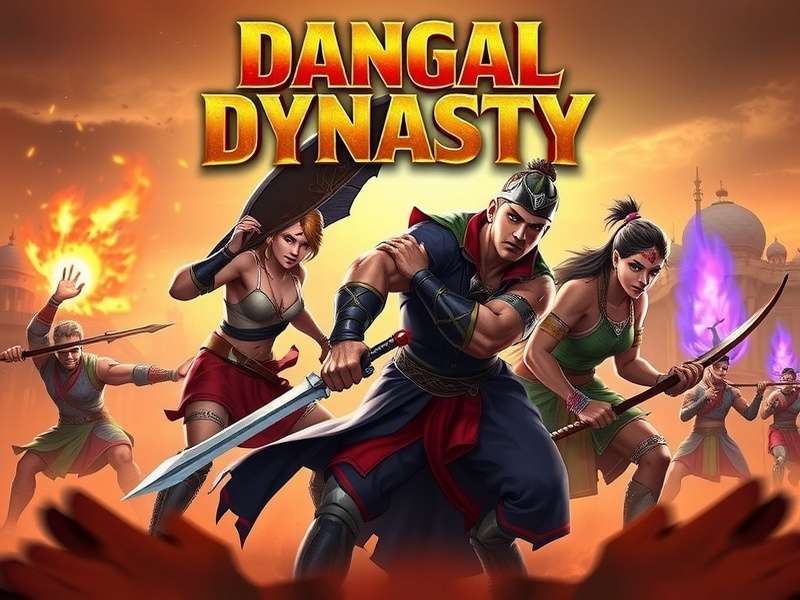
Dangal Dynasty boasts a diverse roster of 70+ regional characters – each inspired by Indian warriors, folk heroes, and martial artists from different states. Every character has unique combat styles, special moves, and backstories that reflect their regional heritage.
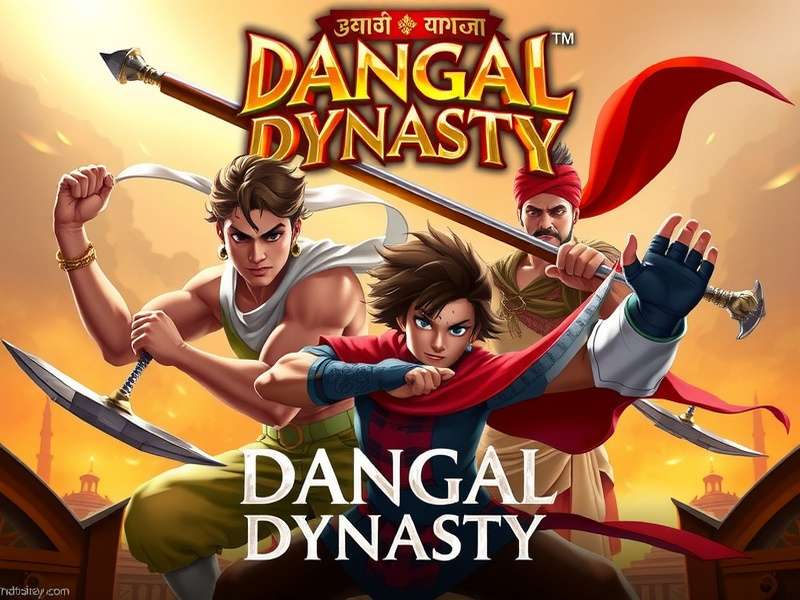
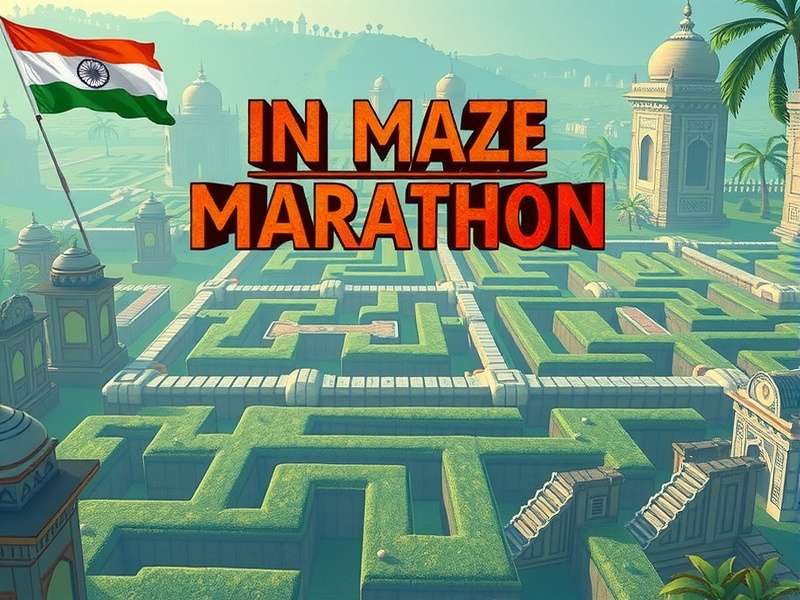
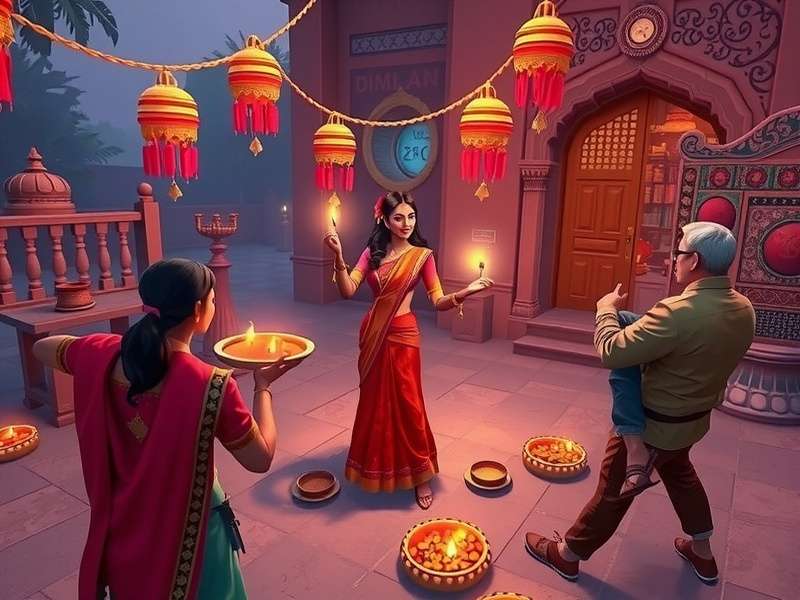

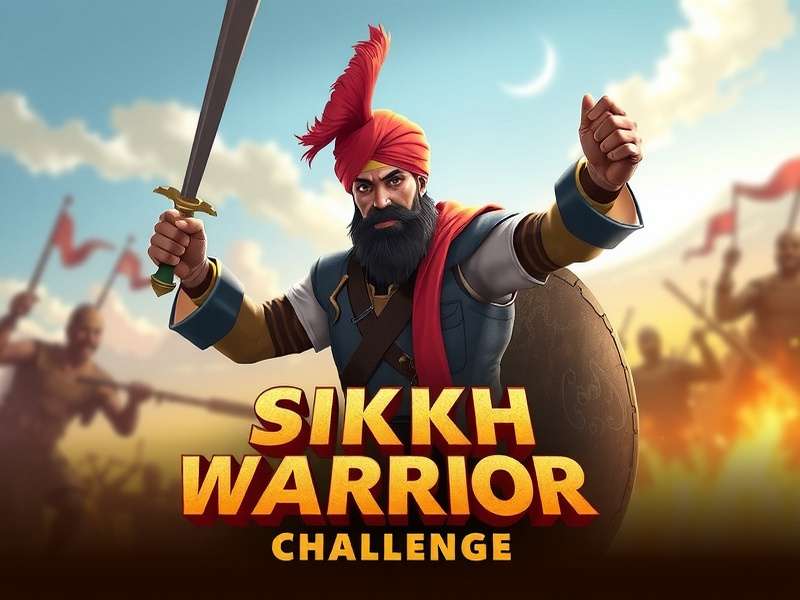
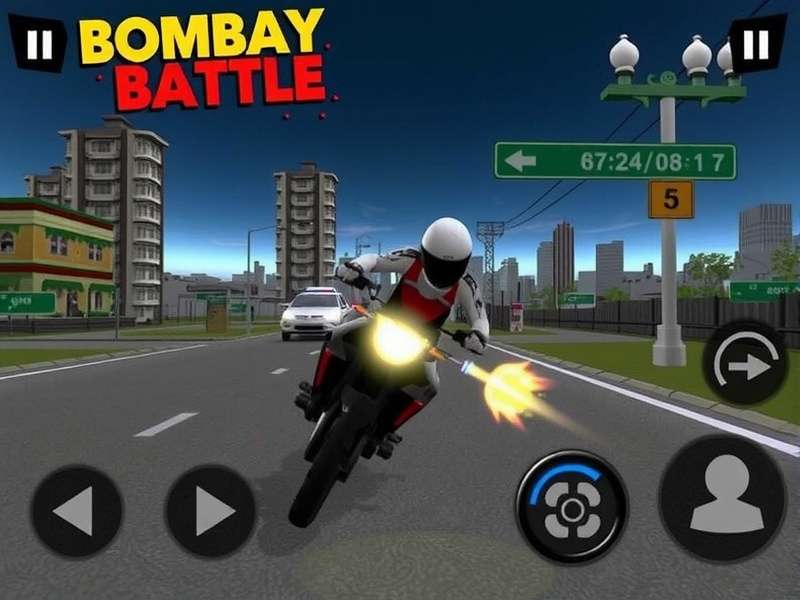
The characters are divided into 10 categories, each representing a region or martial art style:
- Punjab Gatka Warriors: Characters skilled in Gatka (Sikh martial art). Examples: Jaspal Singh (a young Gatka master from Amritsar), Harpreet Kaur (a female Gatka champion from Ludhiana), Sartaj Singh (a legendary Gatka warrior from Patiala). Special moves include “Gatka Spin Slash,” “Khanda Thrust,” and “Shield Bash.” Popular among North Indian players (38% of players choose Gatka warriors).
- Tamil Silambam Experts: Characters skilled in Silambam (Tamil martial art). Examples: Arjun Kumar (a Silambam instructor from Madurai), Priya Devi (a young Silambam prodigy from Chennai), Ravi Shanmugam (a legendary Silambam master from Coimbatore). Special moves include “Silambam Staff Spin,” “Spear Thrust Barrage,” and “Silambam Defense.” Popular among South Indian players (32% of players choose Silambam experts).
- Bengali Lathi Khela Masters: Characters skilled in Lathi khela (Bengali stick fighting). Examples: Rakesh Bose (a Lathi khela champion from Kolkata), Meera Das (a female Lathi khela master from Bangladesh border), Aniket Roy (a legendary Lathi khela warrior from Murshidabad). Special moves include “Lathi Spin Attack,” “Double Stick Strike,” and “Lathi Block Counter.” Popular among East Indian players (28% of players choose Lathi khela masters).
- Rajasthan Rajput Sword Fighters: Characters skilled in traditional Rajput sword fighting. Examples: Raj Singh (a Rajput warrior from Jodhpur), Maharani Meera (a female Rajput warrior from Udaipur), Pratap Singh (a legendary Rajput warrior from Chittorgarh). Special moves include “Rajput Sword Slash,” “Shield Bash,” and “Rajput Charge.” Popular among North Indian players (22% of players choose Rajput sword fighters).
- Kerala Kalaripayattu Experts: Characters skilled in Kalaripayattu (Kerala martial art). Examples: Mohan Nair (a Kalaripayattu master from Thiruvananthapuram), Lakshmi Menon (a female Kalaripayattu champion from Kochi), Gopi Krishna (a legendary Kalaripayattu warrior from Kozhikode). Special moves include “Kalaripayattu Flying Kick,” “Spear Dance Attack,” and “Kalaripayattu Grapple.” Popular among South Indian players (20% of players choose Kalaripayattu experts).
- Maharashtra Maratha Warriors: Characters skilled in traditional Maratha martial arts. Examples: Shivaji Rane (a Maratha warrior from Mumbai), Tanuja Desai (a female Maratha warrior from Pune), Sambhaji Rao (a legendary Maratha warrior from Kolhapur). Special moves include “Maratha Sword Strike,” “Shield Defense,” and “Maratha Ambush.” Popular among West Indian players (18% of players choose Maratha warriors).
- Festival Special Characters: Limited-edition characters for festival events. Examples: “Diwali Sparkle Jaspal,” “Holi Color Arjun,” “Pongal Harvest Priya,” “Onam Flower Lakshmi,” “Durga Puja Meera,” “Ganesh Chaturthi Shivaji.” Unique skins and special abilities (e.g., fire damage, speed boosts, healing auras). Highly sought after by collectors and casual players alike.
- Legendary Historical Warriors: Characters based on Indian historical figures. Examples: Shivaji Maharaj (Maratha emperor), Rani Laxmi Bai (Jhansi ki Rani), Tipu Sultan (Mysore ruler), Bhagat Singh (freedom fighter), Alluri Sitarama Raju (Telugu freedom fighter). Unlocked by completing rare challenges – have powerful special moves and unique abilities that make them overpowered in battle.
- Regional Folk Heroes: Characters inspired by local legends and folk heroes. Examples: Birsa Munda (Jharkhand folk hero), Guru Gobind Singh (Sikh guru and warrior), Kannappa Nayanar (Tamil folk hero), Lachit Borphukan (Assamese folk hero), Sardar Patel (Gujarati freedom fighter). Popular among players from their respective regions and loved for their cultural significance.
- Custom Characters: Create your own character with customizable features (appearance, clothing, combat style). Choose from traditional Indian outfits (sherwani, salwar kameez, lungi, saree, phiran, gamosa) or modern combat gear. Customize combat moves by combining different martial arts styles (e.g., Gatka + Kalaripayattu, Silambam + Lathi khela). Custom characters can be shared with friends and featured in the game’s community gallery.
Players can customize their characters with a wide range of options to make them unique:
- Performance Upgrades: Strength, speed, defense, special move power, health regeneration, and energy gain. Tailor your character to your playstyle – e.g., upgrade strength for heavy attacks, speed for quick reflexes, or defense for tanking damage.
- Cosmetic Changes: Skins, costumes, weapons, accessories, and emotes. Choose from traditional Indian outfits (sherwani, salwar kameez, lungi, saree) or festival-themed costumes (Diwali, Holi, Pongal, Onam). Customize weapons with Indian-themed designs (engravings of Indian gods, festival decorations, regional symbols). Emotes include traditional Indian dances (bhangra, garba, kathak, bharatanatyam) and celebratory gestures.
- Special Moves Customization: Unlock and upgrade special moves by collecting martial arts scrolls. Combine different moves to create unique combos that suit your playstyle. For example, combine Gatka’s “Khanda Thrust” with Kalaripayattu’s “Flying Kick” to create a devastating combo.
- Voice Customization: Choose from different voice actors and accents for your character. For example, a Punjabi character can have a Punjabi accent, a Tamil character can have a Tamil accent, and so on. You can also customize the character’s catchphrases in your local language.
Characters can be unlocked by various methods:
- Progressing through Career Mode and Story Mode.
- Winning Multiplayer matches and tournaments.
- Participating in Festival Events and completing event challenges.
- Purchasing with Dynasty Coins (in-game currency) or Diamonds (premium currency).
- Completing specific challenges (e.g., “Win 20 matches with a Gatka warrior,” “Survive 50 waves in Survival Mode”).
- Collecting character shards from loot boxes and daily rewards.
- Referring friends to the game (refer 5 friends to unlock a rare character).
Controls & Combat Mechanics
Dangal Dynasty offers 8 control options for mobile players – ensuring that everyone finds a setup that suits their preferences and device. The game also supports controllers for PC and console players, with fully customizable keybindings.
- Touch Controls: Virtual joystick for movement, buttons for attacks and special moves. Most popular option (65% of players use it) – adjustable size and position to fit your device and hand size.
- Gesture Controls: Swipe left/right to move, tap to attack, swipe up for jump, swipe down for block, and pinch to zoom. Interactive and engaging – popular among younger players (13-25 age group).
- Tap Controls: Tap left/right side of the screen to move, tap attack buttons to fight. Simple and easy to learn – perfect for beginners and casual players.
- Voice Controls: Use voice commands (“Attack,” “Jump,” “Block,” “Special Move,” “Dodge”) to control your character. Unique feature – great for players who prefer hands-free gaming or have motor impairments.
- Auto-Control: Game automatically controls movement and basic attacks – focus on special moves and blocking. Perfect for relaxed gameplay or players who want to enjoy the game without intense input.
- Controller Support: Connect external controllers (Xbox, PlayStation, third-party Bluetooth controllers) for precise control. Popular among hardcore players and PC/console gamers.
- Keyboard/Mouse: For PC players – fully customizable keyboard mappings. Mouse for precise aiming and attacks, keyboard for movement and special moves.
- Accessibility Controls: Specialized controls for players with disabilities – including larger buttons, slower movement speed, and simplified combat mechanics. The game is committed to being inclusive for all players.
The game’s combat system is designed to be realistic but accessible. Each character’s combat style is based on real Indian martial arts, with authentic moves and animations captured through motion capture with local martial arts experts:
- Gatka: Fast-paced sword and shield combat, with quick strikes, defensive blocks, and agile movements. Ideal for players who prefer a balanced playstyle.
- Silambam: Staff-based combat, with long-range attacks, spinning moves, and precise strikes. Ideal for players who prefer to keep enemies at a distance.
- Lathi Khela: Stick fighting, with powerful strikes, blocking moves, and crowd control abilities. Ideal for players who prefer a defensive playstyle.
- Kalaripayattu: A mix of strikes, kicks, and grapples – known for its fluid movements and acrobatic attacks. Ideal for players who prefer an agile playstyle.
- Rajput Sword Fighting: Heavy sword strikes and shield bashing – slow but powerful. Ideal for players who prefer a brute-force playstyle.
- Maratha Martial Arts: A mix of sword fighting and hand-to-hand combat – versatile and adaptable. Ideal for players who prefer a flexible playstyle.
Other key combat mechanics that make Dangal Dynasty stand out:
- Combo System: Chain together basic attacks and special moves to create combos. Longer combos deal more damage and have a higher chance of stunning enemies. Master combos to dominate matches – some characters have over 50 unique combos to learn!
- Special Moves: Each character has 4-6 unique special moves, unlocked by leveling up. Special moves deal massive damage but require energy (earned by landing attacks, blocking, and dodging). Some special moves can be charged for extra damage or area-of-effect attacks.
- Ultimate Moves: Each character has one powerful ultimate move that can turn the tide of battle. Ultimate moves are unlocked when the energy bar is full (earned by landing consecutive attacks or taking damage). Ultimate moves have spectacular animations and can deal enough damage to defeat enemies in one hit.
- Blocking & Dodging: Block attacks to reduce damage by 70%, dodge to avoid attacks entirely. Perfect timing (within 0.5 seconds of an attack) rewards with counterattacks that deal double damage. Mastering blocking and dodging is key to winning against skilled opponents.
- Environmental Interactions: Use arena elements to your advantage – throw objects at enemies, use cover to avoid attacks, push enemies into hazards (e.g., cliffs, fire, water), and interact with interactive elements (e.g., cannons, elephants, chariots) to deal extra damage.
- Health & Energy Management: Monitor your health (red bar) and energy (blue bar) during matches. Health regenerates slowly if you avoid damage for 5 seconds, energy is earned by landing attacks (10% per hit), blocking (5% per block), and dodging (3% per dodge). Use health packs and energy boosts scattered around arenas to gain an edge.
- Finish Moves: Execute devastating finish moves when an opponent’s health is below 20%. Each character has unique finish moves inspired by their regional martial art. Finish moves have spectacular animations and are a great way to show off your skills to opponents.
- Team Synergy (Multiplayer): In team-based modes, characters have synergies with other characters from the same region. For example, a Punjabi Gatka warrior and a Rajasthani Rajput warrior get a 20% damage boost when fighting together. Team up with friends to create powerful synergies and dominate matches.
Localization of Dangal Dynasty: Regional Adaptations
Dangal Dynasty is not a one-size-fits-all game – it’s a celebration of India’s diversity. The game’s localization efforts go far beyond language support; it includes region-specific content, cultural references, and gameplay adaptations that make it feel “homegrown” for players from every corner of India.

With 80 million downloads across 36 states and union territories, Dangal Dynasty has become a unifying force for Indian gamers. The game’s localization strategy is built on the principle that “India is not one culture, but many” – each region has unique cultural nuances, gaming preferences, and martial arts traditions that are reflected in the game.
The development team spent months researching each region’s culture, traditions, and gaming habits to create localized versions that resonate with local players. The result is 6 distinct regional versions of Dangal Dynasty, each with exclusive content that feels personal to players from that region.
Regional Version Differences
While the core gameplay of Dangal Dynasty remains the same across all versions, each regional version includes exclusive content that makes it feel tailored to local players. Here’s a detailed breakdown of the 6 regional versions:
- Exclusive Characters: Jaspal Singh (Gatka warrior), Raj Singh (Rajput sword fighter), Bhagat Singh (freedom fighter), Harpreet Kaur (female Gatka champion), Pratap Singh (legendary Rajput warrior).
- Exclusive Arenas: Punjab Gatka Arena, Rajasthan Fort Arena, Delhi Red Fort Arena, Haryana Kushti Arena, Himachal Hill Arena.
- Martial Arts Focus: Gatka (Punjab), Rajput sword fighting (Rajasthan), Kushti (Haryana), Thang-ta (Jammu & Kashmir).
- Cultural References: Bhangra music, Punjabi folk songs, Rajasthani folk dances, Haryanvi folk music, Urdu poetry quotes.
- Local Events: Lohri Festival Challenge, Republic Day Tournament, Holi Color Battle, Diwali Sparkle Event, Guru Nanak Jayanti Special.
- Language Support: Hindi, Punjabi, Rajasthani, Haryanvi, Urdu, Bhojpuri, Dogri, Kashmiri, Himachali.
- Local Partnerships: Amul (Punjab), Tata Motors (Delhi), Patanjali (Uttarakhand), Mi India (Haryana).